
People once used video calls with doctors only in emergencies. That changed fast. Today, millions of Americans see their doctor on a phone screen. They book appointments online. They get prescriptions sent digitally. Telehealth has become part of the daily routine. Therefore, companies that wish to stay on top should implement strong healthcare app development to keep up.
The Evolution of Telehealth in the United States
How the Pandemic Altered Everything.
COVID-19 drove hospitals to get equipped for emergencies. Moreover, the physical sessions stopped overnight. Thus, doctors turned to the internet. The government relaxed rules. Medicare started paying for virtual visits. Patients had no choice but to try it. And most of them liked it.
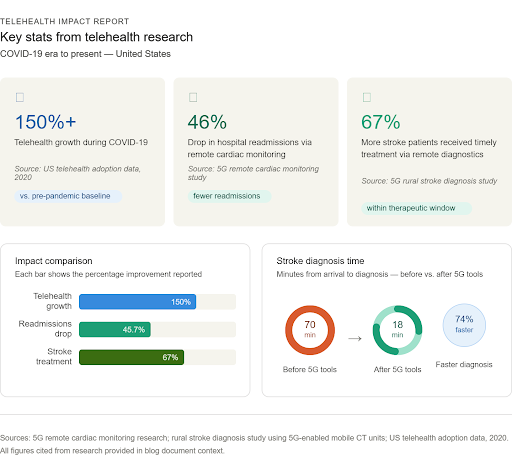
Usage numbers tell the story. Before COVID, telehealth was rare. By the year 2020, the Businesses had grown by more than 150% within just a few quick weeks.
Why Telehealth Kept Growing After the Pandemic
Patients got a taste of convenience. They didn’t want to go back. It’s easier to open an app than drive 40 minutes to a clinic. Doctors also found benefits. Fewer no-shows. Lower overhead. Faster follow-ups. Rural patients finally got access to specialists they couldn’t reach before.
Why Telehealth is Now the Standard, Not the Exception
Patients Expect on-Demand Care.
We order food in minutes. We pay bills in seconds. Now, people want healthcare the same way. A patient who can’t get an appointment this week will find an app that gives them one today. Providers who ignore this will lose patients.
Hospitals are Going Digital.
Big health systems are spending money on intelligence tools and digital care programs. They are also using monitoring.
They are doing this because it helps them save money and take care of people. Artificial intelligence tools can look at symptoms. Find big problems quickly. Remote monitoring is useful because it can find problems before they get really bad. Big health systems like these tools because they help people get the care they need. Artificial intelligence and remote monitoring are good for health systems and the people they take care of.
Insurance Companies Are On Board.
Insurers now pay for virtual visits. That changed the game. Before, telehealth was often out-of-pocket. Now most major insurers cover it. That means more patients use it, and more providers offer it.
The Role of Healthcare App Development in Modern Telehealth
Good healthcare app development is not just about building an app. It’s about building the right app. One that works for a 70-year-old grandmother as well as a 25-year-old tech user.
Custom Platforms Beat Off-the-Shelf Tools.
Generic software can’t always fit a clinic’s specific workflow. Custom platforms let healthcare providers design the exact experience their patients need. They also scale better as the business grows.
Core Features Every Telehealth App Needs.
- Video consultations with a stable, clear connection.
- Appointment scheduling and reminders.
- EHR and EMR integration.
- e-Prescriptions sent directly to pharmacies.
- Secure patient-doctor messaging.
- Remote patient monitoring dashboards.
- Simple payment and insurance billing.
User Experience Matters a Lot.
If an elderly patient can’t figure out how to start a video call, the technology has failed. Simple design is not optional. It’s the whole point. Fast loading, big buttons, and clear instructions make the difference.
What Developers Must Focus On Telehealth App Development USA 2026
The world of telehealth app development in the USA in 2026 looks different from three years ago. New tools are changing what’s possible.
AI is Getting Smarter In Healthcare.
AI can now check symptoms, predict which patients need urgent care, and help schedule appointments by priority. These aren’t future ideas. They’re being used today. Developers building apps for 2026 need to plan for AI from day one. (Source: AI and UX research from document context.)
Wearables and Remote Monitoring
Smartwatches track heart rate, blood oxygen, and sleep. Connected glucose monitors send readings to doctors automatically. Apps need to talk to these devices. Patients managing chronic conditions benefit most from this kind of continuous tracking.
5G is Changing What’s Possible
5G networks allow fast, reliable connections for video calls and data transfer. For telehealth, this is important. High-quality video won’t freeze. Large medical images are transmitted in seconds. (5G enables image transmission at 1-2 Gbps, compared to 50-100 Mbps on 4G, per the source research.) Rural clinics that once struggled with poor internet now have real options.
Voice Technology Is Coming.
Patients can now say “book my appointment” or ask about medication refills out loud. AI assistants handle these tasks. For elderly patients or those with disabilities, this is a real improvement.
Virtual Care Platform Development Is Reshaping Care Delivery.
A simple telemedicine app handles video calls. A full virtual care platform development does much more. It connects patient records, wearable data, pharmacy systems, and billing in one place.
What Makes a Virtual Care Platform Different
It’s an ecosystem, not just an app. Doctors see everything on one screen. Patients manage their own health from one login. Insurers get automated claims data. Everyone saves time.
Key Technical Requirements
- Cloud infrastructure that scales with demand.
- Real-time video and messaging architecture.
- Secure, encrypted patient databases.
- API connections to EHR systems, labs, and pharmacies.
- Multi-device support, phones, tablets, and desktops.
Challenges Developers Face In Virtual Care Platform Development.
Integrating old hospital systems with new apps is hard. Many hospitals still use legacy software from the 1990s. Keeping data synced across systems takes careful planning. Security is always a concern when patient data moves across networks.
Hospital At Home App Development Is Transforming Care.
Hospital-at-home app development is growing fast in healthcare technology. The idea behind it is simple: patients get the level of care as in a hospital but from the comfort of their own homes. This way, patients can receive hospital-level care at home. Hospital at home apps make it possible. They are changing the way we think about healthcare.
Why This Model Works
Patients heal faster at home. Hospitals reduce overcrowding. Costs drop for everyone. A 2023 study found that patients in home hospital programs had lower readmission rates than those in traditional settings.
Technologies That Make It Possible Are:
- IoT medical devices that send vitals in real time.
- AI monitoring that alerts nurses if something changes.
- Emergency alert systems connected to local services.
- Video check-ins replacing physical rounds.
Who Benefits Most From Hospital at Home App Development?
Elderly patients avoid disorienting hospital stays. Post-surgery patients recover in comfort. People with chronic conditions get daily monitoring without daily visits. Mental health patients get ongoing support at home.
Why HIPAA Compliance is Non-Negotiable
A HIPAA-compliant telehealth app is not optional. It’s the law. HIPAA protects patient health information. Any app that handles this data must meet strict rules.
What Compliance Requires
- End-to-end encryption for every piece of information in transport and at rest state.
- Role-based access limitation allows staff access only to what they need.
- Audit logs track every access to patient records.
- Multi-factor authentication for all logins.
- Signed Business Associate Agreements with all third-party vendors.
Common Mistakes Developers Must Avoid
The most common problems are weak passwords and inadequate encryption. Insufficient screening of third-party tools, like metrics or payment gateways, could result in gaps. A HIPAA-compliant telehealth app needs security built in from the start, not added later
Key Challenges In Telehealth App Development
Building a telehealth app is not simple. Developers face real technical and compliance challenges.
- Keeping video stable under heavy network load.
- Balancing tight security with a smooth user experience.
- Connecting new apps to old hospital systems.
- Handling large volumes of health data safely.
- Making the app work on Android, iOS, and desktop equally well.
Policy adds another layer. Many pandemic-era telecommuting regulations were scheduled to end in late 2025. Programmers and healthcare providers are required to monitor these developments closely.
How to Build Future-Ready Telehealth Apps
- Design for mobile first. Most patients use their phones.
- Integrate safety measures into the core, not as a last resort.
- Set up a cloud platform that can grow with your customer base.
- Schedule for AI integration now, even if you don’t require it yet.
- Check with actual patients, consisting of elderly people.
- Keep adherence foremost at every step of development.
Wrap Up
Telehealth won’t go back. It’s a permanent part of American healthcare. Patients want it. Hospitals need it. Insurance companies support it. The healthcare businesses that build strong, secure, and smart digital platforms now will lead the market for years to come. Those who wait will fall behind.
Ready to build the future of digital healthcare? Partner with Code Avenue to create secure, scalable, and patient-focused telehealth solutions. Whether you need a HIPAA-compliant telehealth app, advanced virtual care platform development, or complete hospital-at-home app development, our team builds it right.
We handle the complexity. You focus on your patients. Talk to our healthcare dev team
FAQs
How much does it typically cost to build a doctor-visit app in the USA in 2026?
The price of developing a doctor-visit app may vary depending on the characteristics you want to include. A simple doctor-visit app that has video calls and booking will range from $30,000 to $60,000. If you want a doctor-visit app with all the features, like health records, smart tools, and patient monitors, it will cost $150,000 or even more.
What must a safe health app have?
At the very least, it needs:
- Strong locks for all private data.
- Two-step login.
- Different access for different people.
- A log of who did what.
- Safe online storage.
- All outside helpers must sign a privacy promise.
The app also needs a plan for what to do if data gets seen by the wrong person.
Why is an all-in-one health platform important?
It brings all parts of a patient’s care into one place. It cuts down on paperwork. It helps doctors make better choices. It makes it easier for patients to take part in their own health. Doctors who use one connected system get better results and spend less money than those who use many separate tools.










They were willing to walk me through their ideas and provide suggestions when I wasn't sure about something.
Marcus Gitau Founder, Kumea, Agriculture Industry