
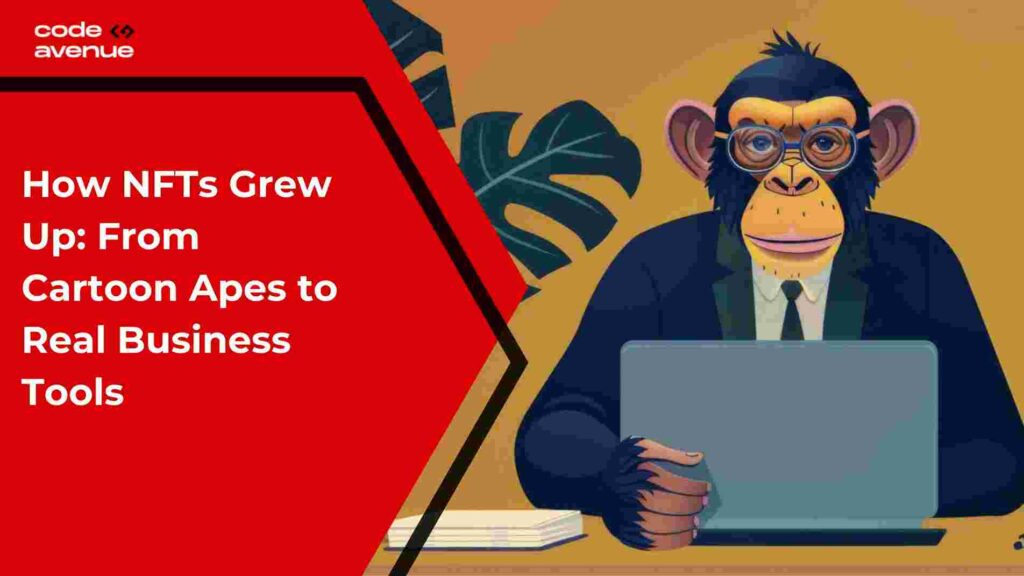
In 2021, an NFT sold for $69 million. It was just a picture. People laughed. Then they got curious. Let’s get into 2026. NFTs look nothing like that anymore. They don’t just sit in wallets as pretty pictures. They run real estate deals. They power games. They track royalties for musicians. This shift matters for every US business owner watching this space.
This post breaks down that shift. We’ll cover what NFTs do today. We’ll look at industries using them. Moreover, we’ll show why NFT app development is now a serious business move, not a trend.
What Is an NFT in 2026?
Let’s not forget the old idea of NFTs as just art. Today’s tokens do real work. Modern NFTs carry smart rules. They can split royalties automatically. They can unlock access to events. They can prove who owns what and when.
Take Breitling watches as an example. The brand gives buyers a digital passport for each timepiece. That passport lives on a blockchain. It tracks every repair. It tracks every owner. If you buy a used Breitling, you can check its full history before you pay. It is the new NFT. Part digital record. Part real-world proof.
The Rise of Digital Twins
A digital twin pairs a real item with its NFT copy. Buy a jacket, and you also get a token version. Wear the jacket outside. Wear the token in a virtual world. The model is catching on with luxury brands. Buyers like it more than NFT-only products. Why? Because they still get something they can touch. The token is a bonus, not a replacement.
Some brands now offer storage instead of shipping. You keep the token. The item stays locked in a vault. You can trade the token later, and the item never moves.
Industries Using NFTs Right Now
Real Estate
An NFT real estate app USA buyers use can turn property deeds into tokens. It speeds up transfers. It also opens the door to fractional ownership. Instead of buying a whole building, you buy a piece of it.
Rules still apply here. State property laws differ. Title insurance still matters. Any solid NFT real estate app in the USA needs built-in identity checks and escrow logic to stay compliant.
Gaming
NFT gaming assets app development gives players true ownership of their gear. A sword earned in one game can move to another. Players trade items on open markets, not locked inside one company’s servers.
Studios building this need to watch a few things:
- Fraud protection for trading.
- Fast wallet connections.
- Low lag during matches.
A good NFT gaming asset app development balances fun with fair trading rules.
Music
Music NFT platform development lets artists split royalties without a label taking a cut. A song’s NFT can pay every collaborator the second it sells. There is no need to wait for quarterly statements.
Fans get something too. Limited drops. Early access. A stake in a song doing well. Smart music NFT platform development connects rights data with streaming numbers, so payouts stay accurate.
Building These Apps: What It Takes
Behind every one of these tools sits the same basic stack:
- Smart contracts that hold the rules.
- A wallet system users can trust.
- Metadata that describes what the token actually is.
- Indexing tools so apps load fast.
Security can’t be an afterthought. Teams need audits before launch. Multisig wallets protect admin controls. Skipping this step is how projects get hacked.
The Legal Side
US rules are still catching up. Some NFTs count as securities. Some don’t. That line depends on how they’re sold and what they promise buyers. Tax treatment matters too. Selling an NFT can trigger capital gains. Fractional ownership adds more reporting steps. Anyone shipping a cross-industry NFT app USA 2026 product needs a lawyer in the room early, not after launch.
Where This Is Heading
More banks are testing tokenized assets. More cities are piloting land registries on-chain. Gasless transactions are making wallets less annoying to use. A true cross-industry NFT app USA 2026 build now touches real estate, gaming, and music all at once. The lines between these markets keep blurring.
Getting Started
- Pick one use case and validate demand.
- Bring in legal counsel early.
- Build a small pilot version first.
- Run a security audit before any public launch.
- Scale slowly, then add partners.
Takeaway
NFTs aren’t just collectibles anymore. They’re tools real businesses use every day. Code Avenue builds these tools from the ground up, whether that’s a property platform, a game economy, or a royalty engine for musicians.
Schedule a free consultation with Code Avenue today. Or ask for our full product brief on cross-industry NFT builds. Let’s discuss what you’re trying to build.
FAQs
How long does NFT app development take, start to finish?
Most projects run three to six months for a working pilot, depending on how many features you need.
What legal hurdles come with an NFT real estate app in the USA?
Expect state-by-state property rules, KYC checks, and title insurance questions that need legal review before launch.
Who handles music NFT platform development and royalty payouts well?
Look for vendors with real rights-management experience, not just blockchain skills. Royalty accuracy depends on clean metadata.









They were willing to walk me through their ideas and provide suggestions when I wasn't sure about something.
Marcus Gitau Founder, Kumea, Agriculture Industry