
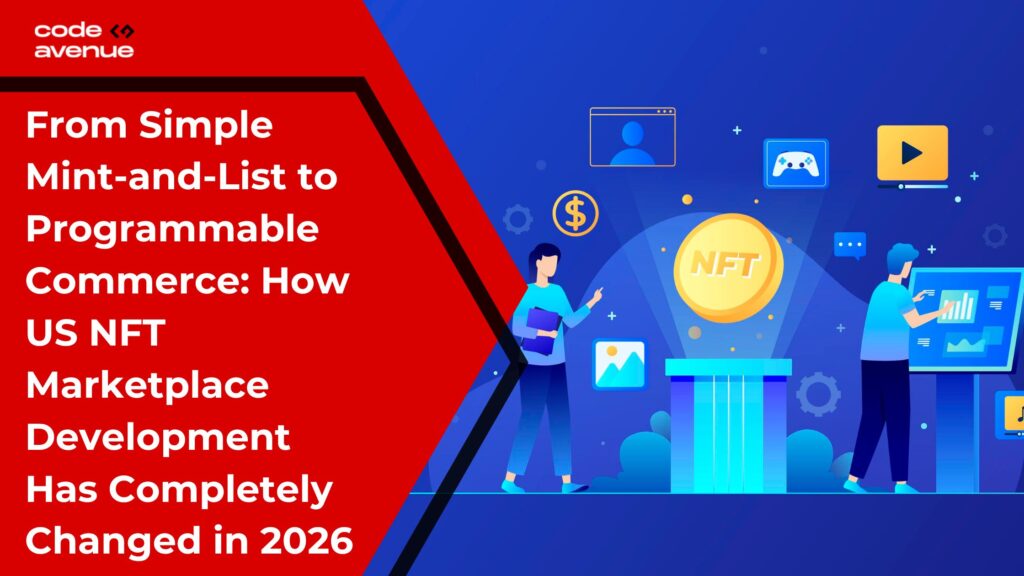
A Quick Story First
Imagine a buyer in 2021. He mints an NFT. He lists it. He waits. That’s it. That’s the whole game.
Now suppose 2026. That same buyer sets up a smart contract. It splits royalties. It triggers a resale fee. It even unlocks a ticket for an event. One click does five jobs.
That’s the jump we’re talking about today.
Why 2026 Feels So Different
Web3 grew up. Rules got clearer in the US. Big companies now use crypto tools daily.
A few things pushed this change:
- Faster blockchains (Layer-2 networks).
- Wallets that work without scary seed phrases.
- Smart contracts that “talk” to each other.
- Better tools for developers building apps.
Trading volume isn’t the only signal anymore. Real businesses use NFTs now. Concert tickets. Loyalty points. Even house deeds.
Marketplaces Grew Into Platforms
Old marketplaces did three things. Mint. List. Sell. That was the whole job. Today’s platforms do much more. They handle bidding. They run auctions. They split one NFT into shares. They let buyers make on-chain offers.
Its shift is why NFT marketplace development in the USA in 2026 looks nothing like it did in 2021. Builders aren’t making simple shops anymore. They’re making small economies.
What “Programmable Commerce” Actually Means
Think of it like a vending machine with brains. Rules are baked into the code. Money moves on its own when conditions are met.
Some real examples:
- A song NFT pays the artist every time it resells.
- A ticket NFT only works if you live near the venue.
- A bundle of digital items sells as one package deal.
It is the heart of a programmable NFT commerce platform. The contract thinks. No middleman needed.
The Tech Behind the Shift
A few building blocks made this possible.
Smart contracts got smarter. New token standards allow metadata updates and asset linking.
Infrastructure got faster. Rollups and zk-proofs cut costs. Cross-chain bridges connect networks.
Tooling got friendlier. Low-code kits help non-coders launch fast. It matters a lot for NFT app development, since teams can build without a huge engineering team.
Better Experience for Regular People
Nobody wants to learn ten new passwords. Wallets now connect with one tap. Fiat payments work like a normal checkout. Profiles act like little storefronts now. Creators run their own communities right inside the app.
Royalties That Actually Get Paid
Old NFTs had a royalty problem. Sellers could skip paying the artist. New contracts close that gap. A good NFT royalty automation app sends payment the second a sale happens. No invoices. No chasing late checks. Money is placed in escrow and settles instantly.
NFTs Are Moving Past Art
Collectibles started this whole trend. But the trend grew up fast.
- Gamers now own items that move between games.
- Event organizers use NFTs to stop ticket scalping.
- Property owners tokenize fractions of real estate.
It is the NFT marketplace beyond collectibles, the story everyone’s talking about. Art opened the door. Everything else walked through it.
Staying Legal in the US
Rules matter more now. The SEC and CFTC closely examine what constitutes a security.
Most platforms now build in:
- ID checks (KYC) before big transactions.
- Smart contract audits before launch.
- Clear tax reporting tools for sellers.
Skipping these steps is risky. Courts and regulators are paying attention in 2026.
How Marketplaces Make Money
Fees still matter. But platforms add more now. Subscriptions. Premium dashboards. Lending against an NFT you own. Brand partnerships with sports teams and game studios also bring in steady income.
Should You Build or Buy?
Building from scratch gives full control. It also takes longer and costs more. White-label kits launch faster. You trade some control for speed. Most new founders pick this path first, then upgrade later.
Quick Launch Checklist
- Pick the right token standard.
- Set up wallet and payment support.
- Run a smart contract audit.
- Set royalty rules before launch.
- Line up creator partners early.
Common Problems (And Fixes)
Liquidity gets split across too many platforms. Cross-market search tools help. New users still get confused by wallets. Better onboarding screens fix this. Some sellers dodge royalties. Better contract design closes the loophole.
What’s Next
Cross-chain trading will keep growing. On-chain reputation will help buyers trust strangers. AI will start spotting fakes and automatically pricing items.
Wrapping It Up
NFTs stopped being a side hobby. They became real business tools. Mint-and-list feels almost old-fashioned now. The opportunity is wide open for builders, brands, and creators who move early.
Ready to launch something real? Code Avenue builds modern NFT app development projects, custom marketplace platforms, and royalty tools that actually work. Reach out today for a free consultation, an architecture review, or a quick demo of our white-label NFT solutions.
FAQs
What’s the difference between mint-and-list and a programmable commerce platform?
Mint-and-list just creates and sells. A programmable platform adds rules, royalties, and automation, which is why NFT app development looks so different today.
How does royalty automation work on US marketplaces?
Smart contracts trigger payment the moment a sale closes. It is now standard in most NFT marketplace development projects in the USA in 2026.
Are NFTs beyond collectibles treated differently under US law?
Yes. Tickets, real estate shares, and gaming items in the NFT marketplace, beyond the collectibles space, often face additional securities and tax scrutiny.








They were willing to walk me through their ideas and provide suggestions when I wasn't sure about something.
Marcus Gitau Founder, Kumea, Agriculture Industry